

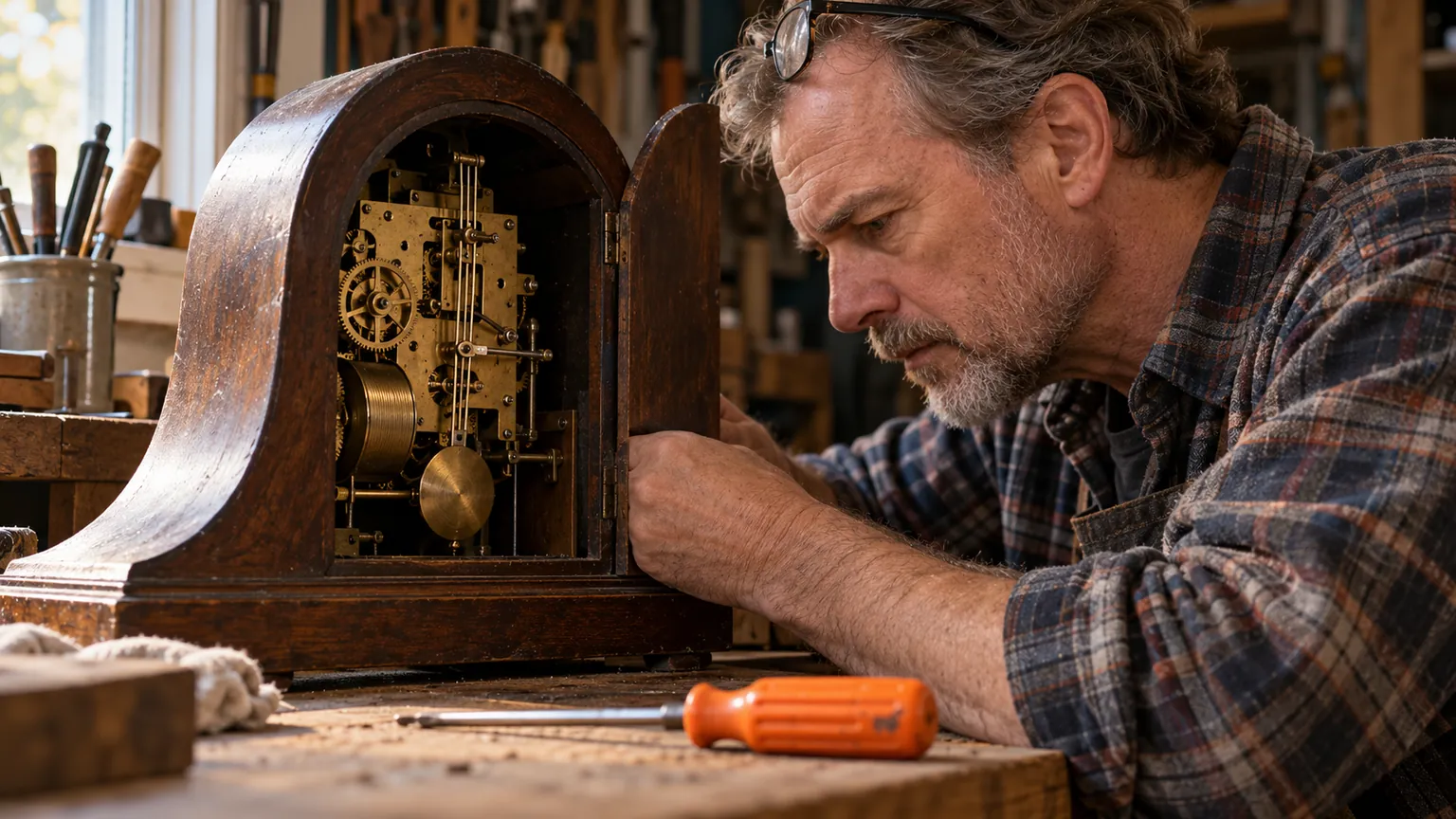



Sleep apnea mouth guards
Is a sleep apnea mouth guard right for you?
A sleep apnea mouth guard is a dentist-fitted device that holds your lower jaw forward so your airway stays open while you sleep. For many people with mild to moderate sleep apnea, or who can't tolerate CPAP, it works well. It opens your airway but does not retrain the habits and alert nervous system that keep sleep broken.
Many people do well with a mouth guard, and it helps to know the tradeoffs going in. A sleep specialist quoted by Harvard Health says these devices can be "really uncomfortable" and "only work about half the time." The best way to lower the chance of giving up on your device is to shift your daily life to support your sleep. That is why coaching is a critical part of lasting improvement in sleep, daytime energy, and mood. Your dentist and physician prescribe and manage the device, and coaching never treats sleep apnea. It works alongside your care on how your evenings and your nervous system are trained for sleep.
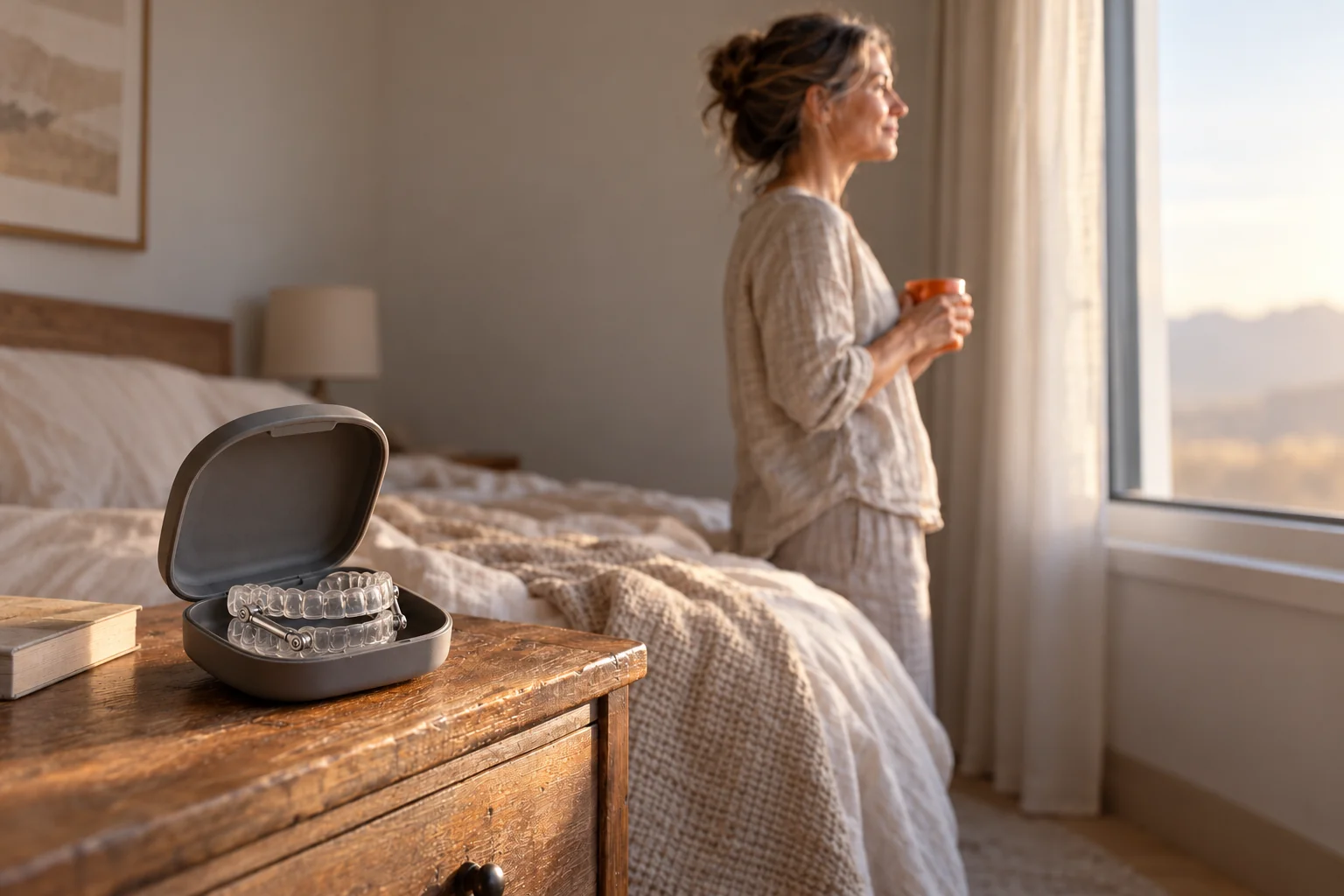
Guides
Living well with a sleep apnea mouth guard
Clear answers on how these devices work, how they compare to CPAP, and why you might still feel tired.
Sleep apnea testing
At-Home Sleep Study: The Honest Guide to Results
What a home test can tell you about your breathing, what it misses about your sleep, and what to do while you wait.

Sleep apnea treatment options
CPAP alternatives: 5 honest options if you quit
Quitting CPAP is common. Here are the real options for your airway, and why the mask may have felt so hard.

Sleep apnea mouth guards
Do sleep apnea mouth guards work? The truth
For many people, yes. Here is what the device does well, why you might still wake up tired, and what you can start tonight.
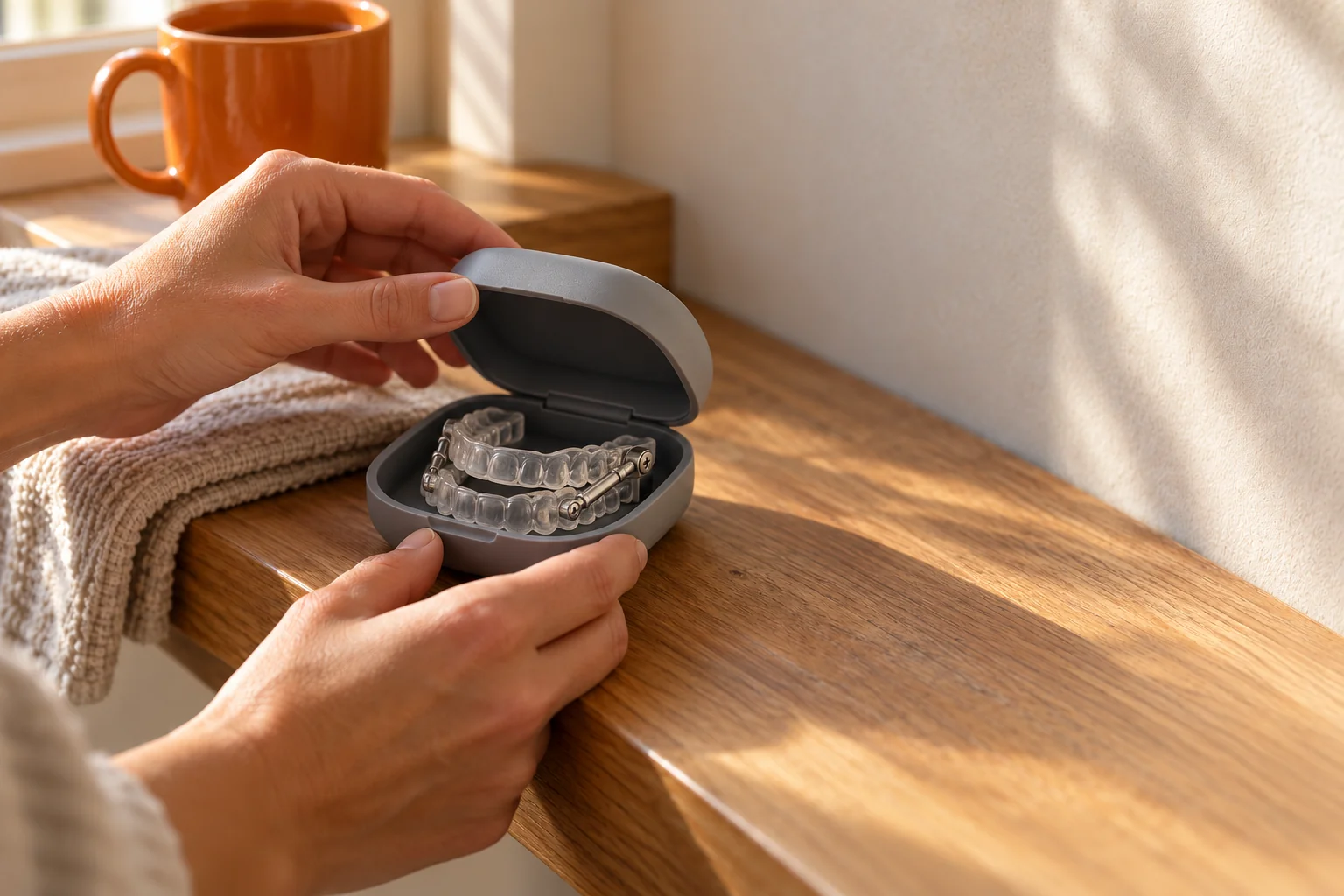
How oral appliances work
Mandibular advancement device: how it actually works
A clear look at how the device opens your airway, why it takes weeks to tune, and the part only you can do to make it work.
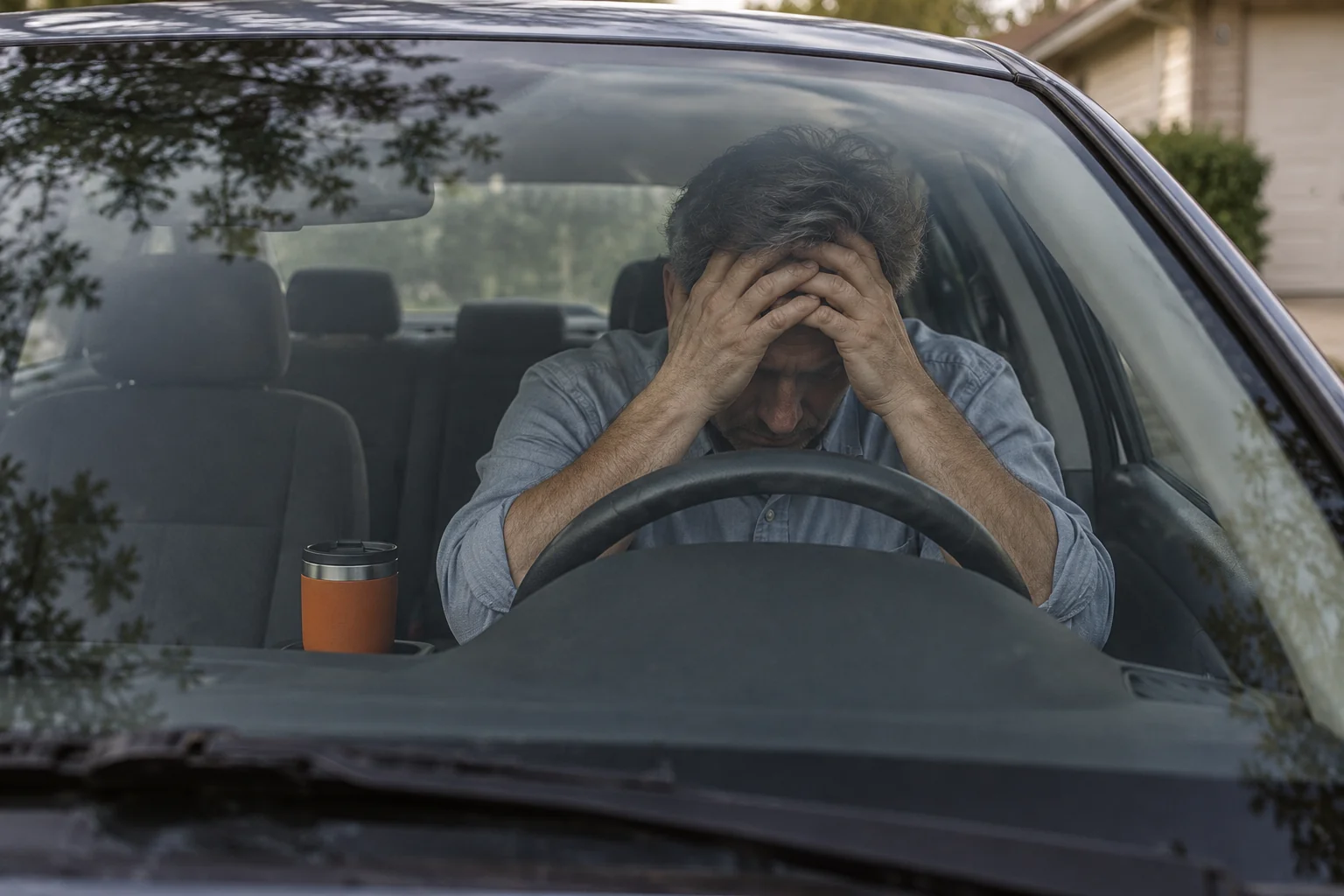
Sleep apnea and insomnia
Insomnia and sleep apnea: the hidden second problem
Your breathing can be treated and your nights can still feel restless, and there is a clear reason why.
Questions
Common questions
What people ask most before and after getting a mouth guard.
Does a sleep apnea mouth guard hurt?
How long does it take to get used to a sleep apnea mouth guard?
Do I still need a sleep doctor if I use a mouth guard?
Does Medicare cover mouth guards for sleep apnea?
Can a sleep coach help if I already have a mouth guard?
Start resting better, tonight
While your device is being made, begin retraining your sleep now, alongside the care your dentist and physician provide.
Begin tonight