


Sleep coaching library
Learn about sleep
A collection of evidence-based guides for people whose minds will not shut off at bedtime. Each article is written to answer one question well, so you can find the right next step and act on it tonight.
Browse by topic
Ways to sleep better
Start with the topic that matches where your night tends to go sideways.

Racing mind at night
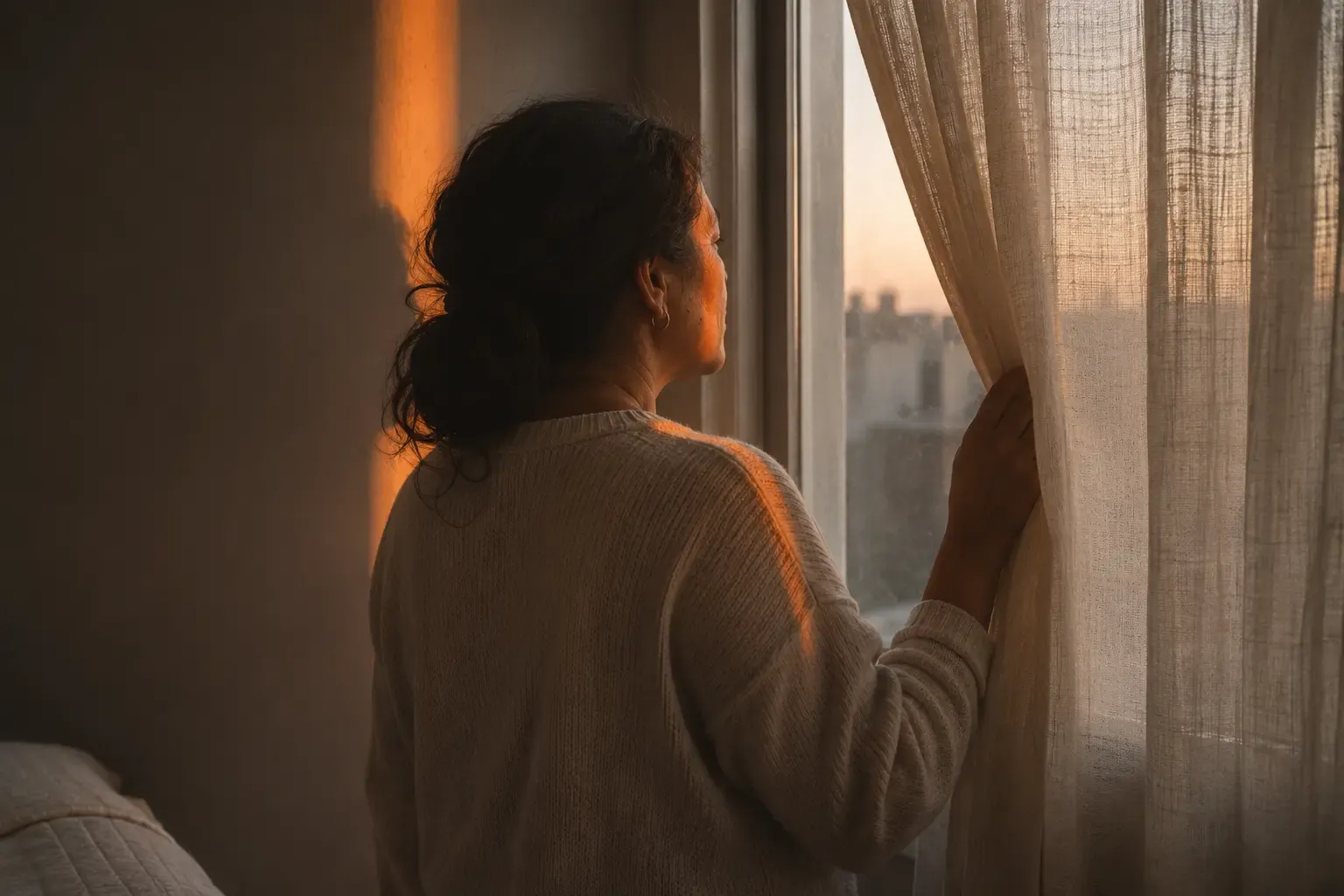
Why won't my mind shut off at night
If you can't shut your mind off at night, it usually is not anxiety or a broken brain. It is a nervous system still running on alert after the day. When the lights go out and demands fall away, that unspent activation turns inward as fast, looping thought, and it can be retrained.
Reading your tracker
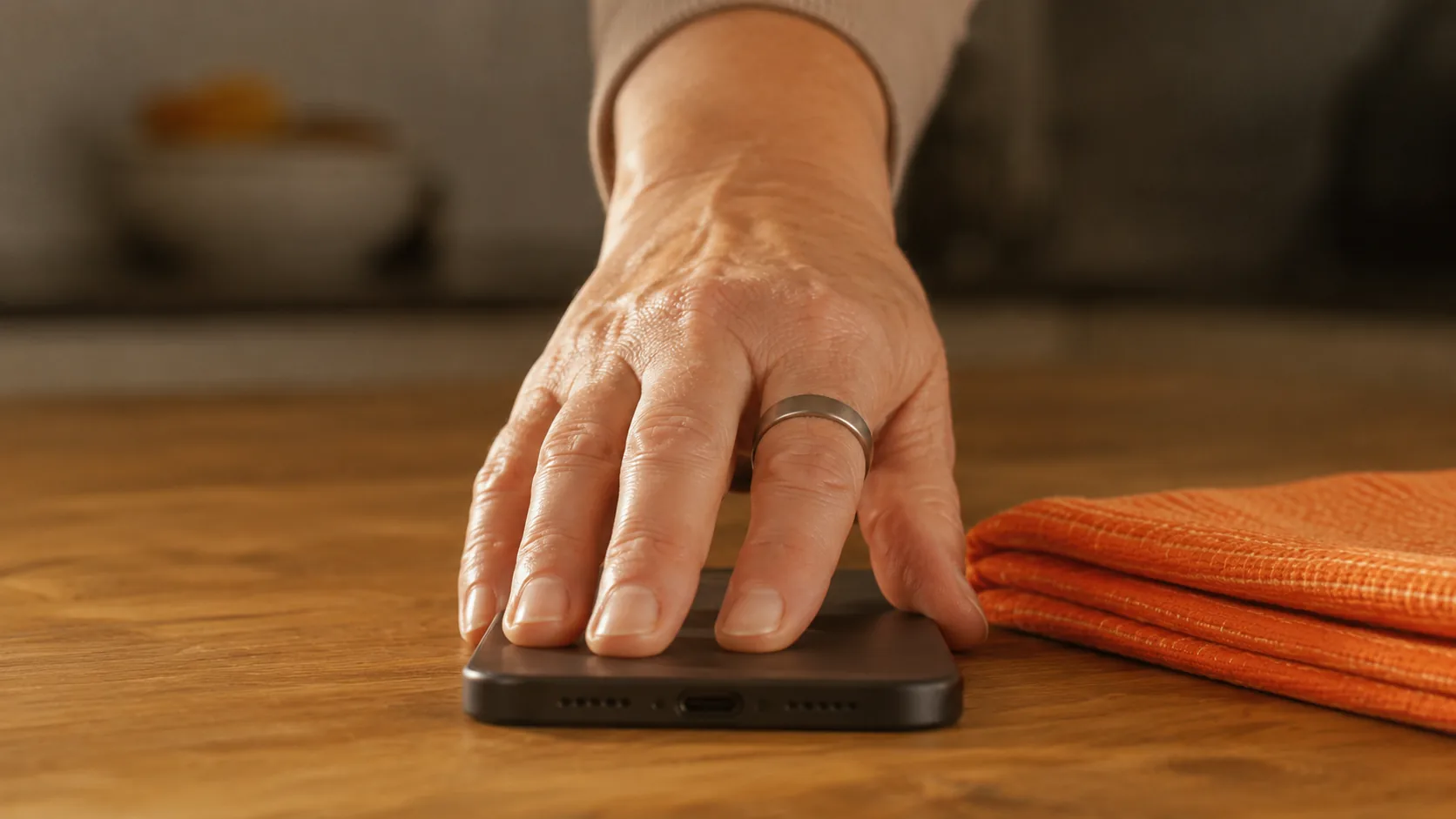
What your sleep tracker is really telling you
Your sleep tracker is telling you an estimate, not a measurement. It infers your night from heart rate, movement, and temperature, then scores it. That makes it useful for spotting weekly trends and poor at judging a single night. What it can never see is the racing mind that actually decides how you sleep.
Before the sleep doctor
The step before a sleep doctor
Most people asking this don't need a sleep doctor yet. If you snore loudly, gasp awake, or feel dangerously sleepy during the day, see one. But if you fall asleep fine and simply can't quiet your mind, the most effective first step is behavioral, and you can start it tonight without a clinic.
Sleep apnea mouth guards
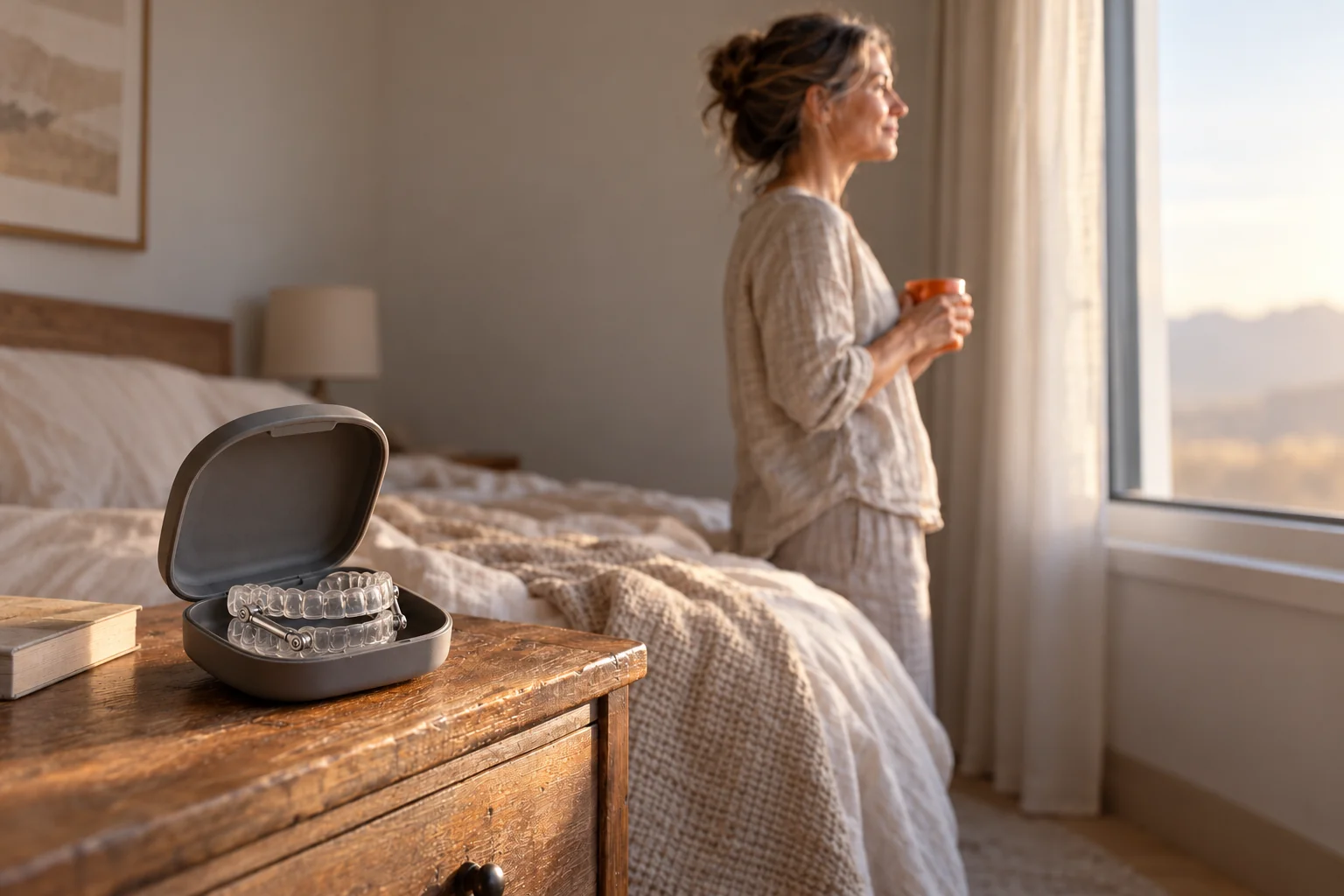
Is a sleep apnea mouth guard right for you?
A sleep apnea mouth guard is a dentist-fitted device that holds your lower jaw forward so your airway stays open while you sleep. For many people with mild to moderate sleep apnea, or who can't tolerate CPAP, it works well. It opens your airway but does not retrain the habits and alert nervous system that keep sleep broken.

Help for snoring
How to stop snoring at the root
Most snoring comes from three things you can change: what is in your system, how you lie, and how your airway behaves when you are short on sleep. Cut alcohol a few hours before bed, keep a steady sleep schedule, and practice sleeping on your side. If snoring comes with pauses, gasping, or heavy daytime sleepiness, get checked first.
Sleeping with your device
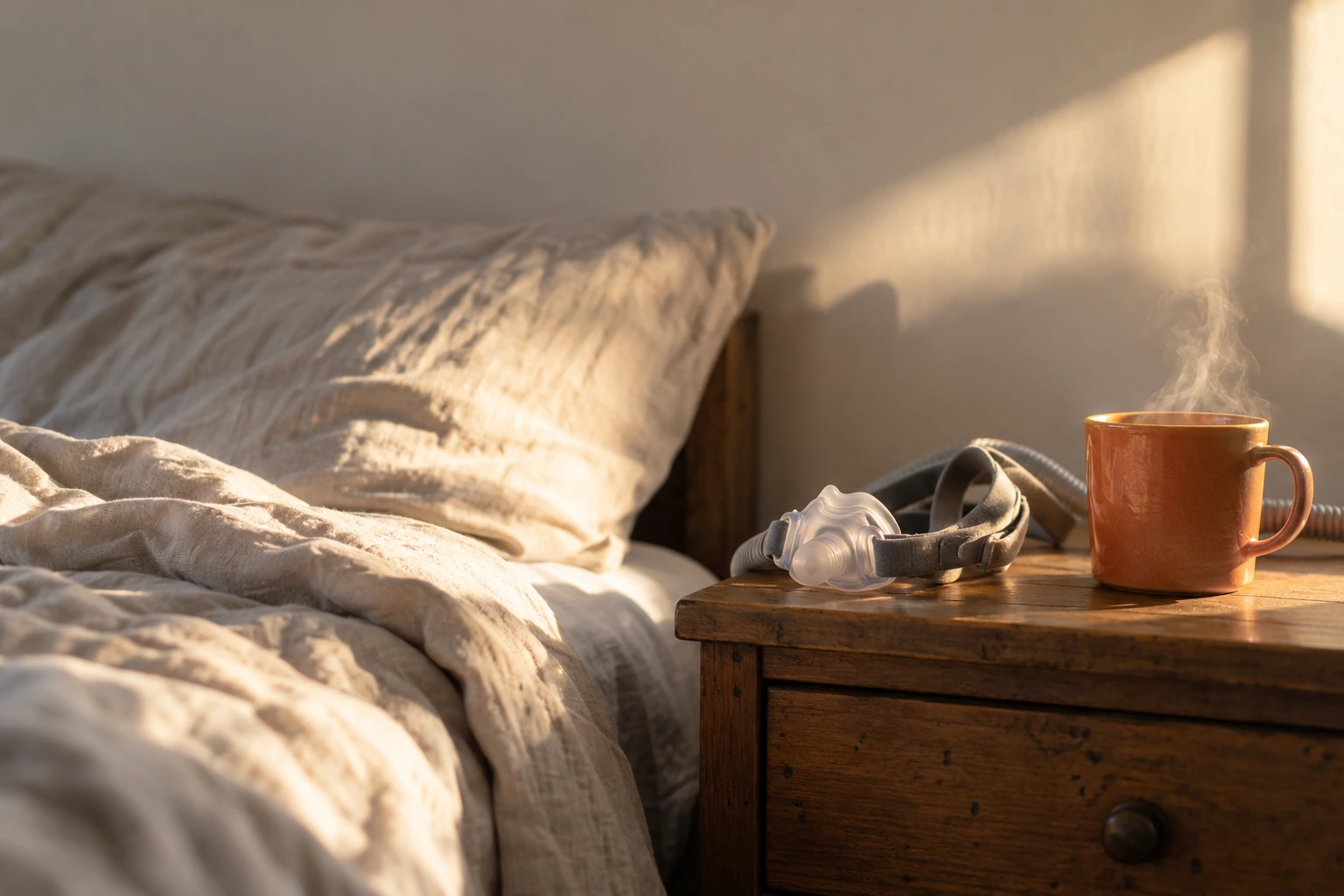
Still tired on CPAP? You're not failing
If you're still tired with CPAP, first ask your doctor to check mask fit, pressure, and how many hours you wear it each night. If those look right, the tiredness often comes from sleep habits years of broken nights left behind. Your device opens your airway. Coaching teaches you to sleep.

Sleeping pills
Are sleeping pills bad for you? The honest answer
Sleeping pills aren't poison, and needing one isn't a failure. They're a short-term tool that sedates you rather than teaching your body to sleep. Used nightly, many lose their effect and can make nights without them harder. The lasting fix is learning to settle your mind at night, with any medication changes made alongside your doctor.